Ingredient Lab
Browse ingredient lab guides from GlowFoldr.
 Ingredient Lab ·
Korean Cica Cream: 3 Centella Labels Compared
Three Korean cica creams compared by where centella sits on the official ingredient list: 6th of 40, 8th, and 28th of 44.
 Ingredient Lab ·
'Fragrance-Free' vs. 'Unscented' on Cosmetics Labels
The FDA has no rule for 'unscented' or 'fragrance-free.' What each word usually means and how to check the ingredient list before you buy.
 Ingredient Lab ·
Korean Rice Skincare: Rice Extract vs. Rice Bran Water
Two Korean rice products compared by what their official pages say: rice extract in a toner, rice bran water in a serum, and how to read the label.
 Ingredient Lab ·
Korean Ginseng Skincare: 4 Product Formats Compared
Compare four Korean ginseng skincare formats, essence water, serum, emulsion, and cream, by routine slot and the ginseng form on the listing.
 Ingredient Lab ·
Nail Polish Safety: FDA Notes on Polish and Removers
FDA notes on nail polish and remover safety: how nail products are regulated, what labels must warn about, and why methylene chloride is prohibited.
 Ingredient Lab ·
Korean Essences Explained: Essence vs. Toner vs. Serum Labels
Toner, essence, and serum are routine steps, not legal terms. How to read the ingredient list on Anua, Beauty of Joseon, and COSRX labels.
 Ingredient Lab ·
What Does 'Hypoallergenic' Mean on a Cosmetics Label? (FDA)
What 'hypoallergenic' means on a cosmetics label: no federal definition, no required proof, and why the ingredient list matters, per the FDA.
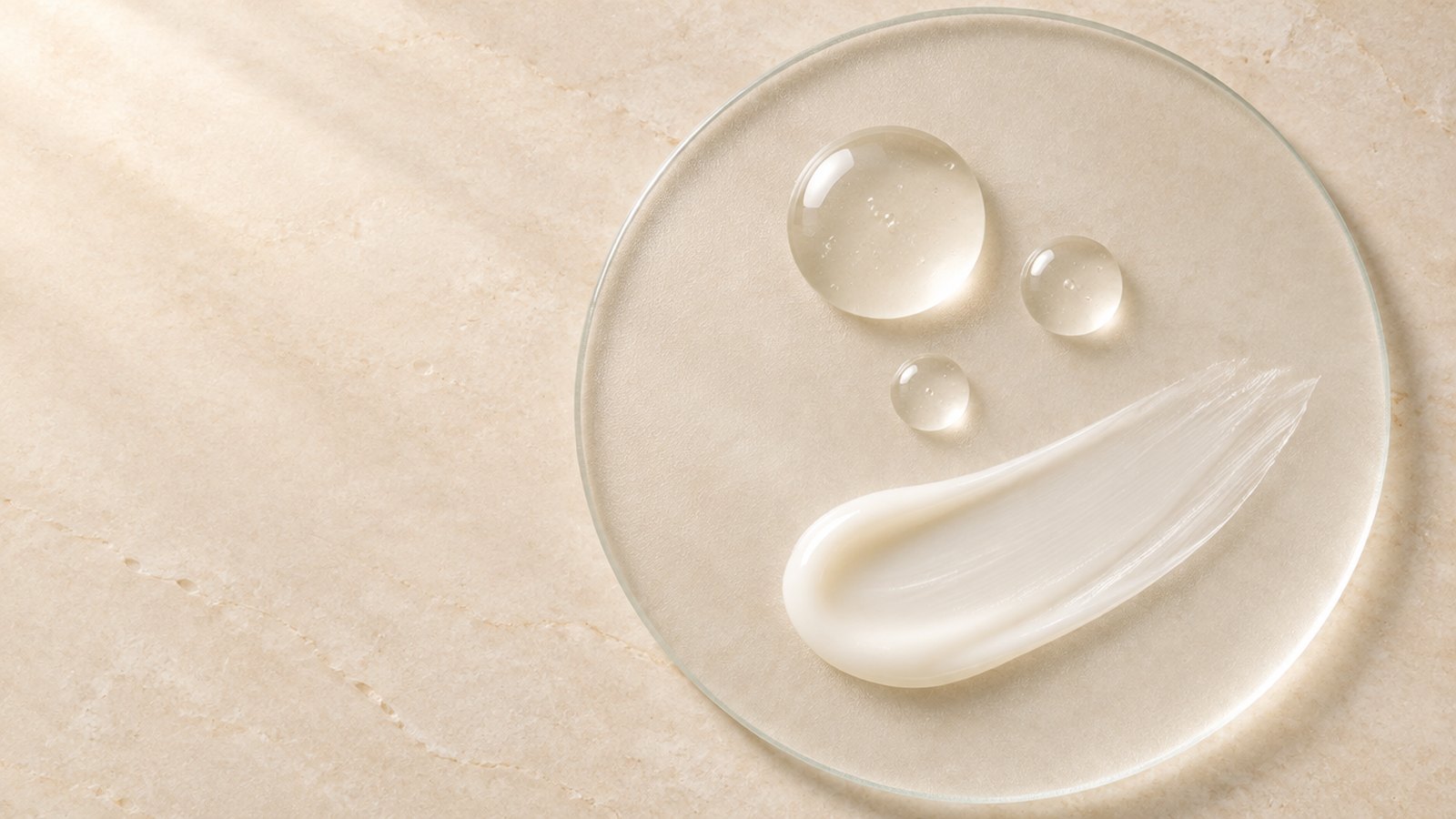 Image: GlowFoldr StudioIngredient Lab ·
The Ingredient Lab: Decoding PDRN
PDRN now appears on the front of face creams, capsule mists and even tinted lip products. The letters stand for polydeoxyribonucleotide.
 Ingredient Lab ·
Colloidal Oatmeal Skin Protectant: 4 Label Forms Explained
Colloidal oatmeal skin protectant labels explained for 4 forms: bath soak, foot bath, compress, and direct use, with warnings, per FDA Part 347.
 Ingredient Lab ·
Niacinamide for Skin: 5 Facts From Official Sources
Five facts about niacinamide from NIH and FDA sources: what it is, what clinical trials tested at 2% and 5%, and how to read a label.
 Ingredient Lab ·
Peptides in Skincare: 5 Things Product Labels Tell You
Peptides in skincare in 5 label facts: what the word means, how the FDA sorts products by claims, no cosmeceutical category, and NIH advice.
 Ingredient Lab ·
Azelaic Acid for Skin: 5 Facts From Official Sources
Azelaic acid for skin in 5 facts from AAD and FDA labels: the 2024 acne guideline, prescription forms, sun protection and when to ask a professional.
 Ingredient Lab ·
Salicylic Acid for Skin: 5 Facts From Official Sources
Salicylic acid for skin in 5 facts from MedlinePlus and FDA rules: what it is, the 0.5 to 2 percent range, forms, a 3-day test, and cautions.
 Ingredient Lab ·
Retinoids for Beginners: 5 Rules to Start Safely
Retinoids for beginners in 5 rules: night use, a pea-sized amount, a slow start, and daily sun protection, with AAD and UNC Health guidance.
 Ingredient Lab ·
AHA vs. BHA: 5 Differences That Decide Which Exfoliant Fits You
AHAs usually mean glycolic or lactic acid, BHAs usually salicylic acid. See 5 differences and the FDA sun-safety notes for each exfoliant type.
 Ingredient Lab ·
Ceramides and Your Skin Barrier: 5 Things to Know
What NIH MedlinePlus says about ceramide moisturizers for dry skin, what 'may be used' means, and how to apply moisturizer for the best effect.
 Ingredient Lab ·
Vitamin C for Skin: An Evidence-Based Guide in 5 Key Questions
What NIH says about vitamin C, what the names on skincare labels mean, and how to add it to a routine with a patch test and sunscreen.
 Ingredient Lab ·
Hyaluronic Acid for Skin: What 3 Product Labels Actually Mean
Hyaluronic acid draws water toward skin. Learn what sodium hyaluronate, multi-weight, and fragrance-free labels mean and how to use it.
 Ingredient Lab ·
Niacinamide: A Beginner's Guide to Vitamin B3 in Skincare
What niacinamide is, what research and safety reviewers say about it, common concentrations, and how to add vitamin B3 to a skincare routine with care.